How Formula 1 Became a Global Marketing Success
Formula 1's popularity has rocketed in recent years, especially among younger people. While the sport has always been linked to luxury and speed, a change in marketing strategies has played an important part in its recent rise. Formula 1 is becoming a worldwide entertainment brand rather than just a racing sport.
According to a recent article from Marketing Week, Formula 1 has grown significantly by adopting a social-first marketing strategy and using platforms like Netflix’s Drive to Survive to attract a younger audience. The Netflix series Drive to Survive, which provides viewers with behind-the-scenes access to teams, drivers, and rivalries, is a major factor in this rise. People who might not have previously been interested in racing can now participate in the sport more easily thanks to this strategy. Formula 1 has created emotional connections with fans by focusing on storytelling and characters, which is an important part of current marketing strategy.

Formula 1’s growth has been driven by media exposure through Netflix’s Drive to Survive. (Image source: Netflix)
From a marketing standpoint, Formula 1 has effectively modified itself to be attractive to more people. The organization is becoming more visible on social media sites like Instagram and TikTok, where short, interesting videos showcase thrilling events and driver personalities. Consumer preferences for quick, interesting media are currently met by this kind of material.
Also, Formula 1 profits from strong brand partnerships. Global brands like Mercedes, Red Bull, and Ferrari are more than just racing teams. Through partnerships and sponsorships, businesses can identify with performance, innovation, and status. Both Formula 1 and the participating brands benefit from this.
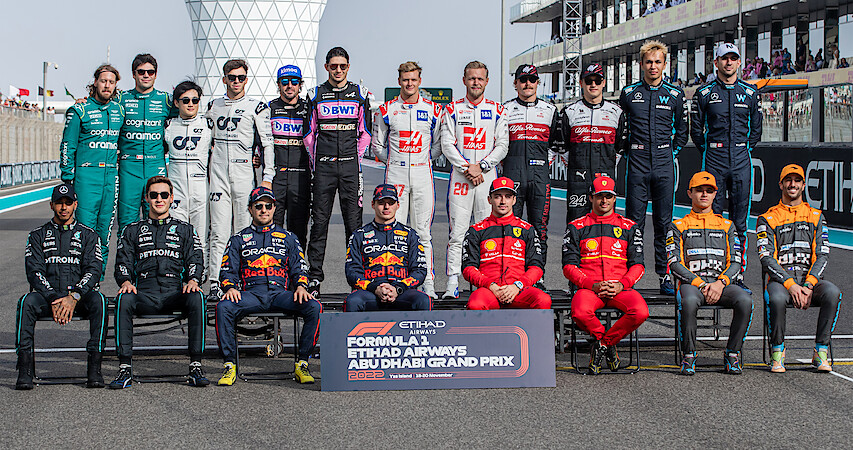
Formula 1 drivers and teams play a key role in building brand identity and engaging fans through personality and storytelling. (Image source: Netflix)
But there's an important issue made by this move toward entertainment and digital engagement. Although Formula 1's new marketing tactics have made the sport more popular, they could also change public perception of the sport. The technical and competitive elements that first defined the sport run the risk of being overshadowed by the emphasis on entertaining.
All things considered, Formula 1's success shows how a strong marketing plan can change a traditional industry. Formula 1 has positioned itself as a sport and an entertainment experience by embracing digital media and adjusting to shifting consumer behavior.
Overall, Formula 1’s success shows how powerful marketing strategy can transform a traditional industry. This shift also highlights how modern marketing is no longer just about promoting a product, but about creating an experience that consumers feel connected to. By embracing digital platforms and adapting to changing consumer behavior, Formula 1 has positioned itself as both a sport and an entertainment brand.
Can Formula 1 continue to grow by focusing on entertainment, or will this shift take away from the authenticity of the sport?
Source:
Formula 1 marketing strategy - By Amrit Virdi, Marketing Week
https://www.marketingweek.com/formula-1-marketing-brand-success/


Comments
Post a Comment